


Understanding the psychological traps of gambling behavior
The Nature of Gambling Behavior
Gambling is an activity that taps into deep-seated human emotions and cognitive processes. The thrill of risk, the promise of reward, and the allure of winning often create an intoxicating environment for participants. This unique blend of excitement and anticipation can trigger psychological traps, leading individuals to engage in behaviors that may not align with their best interests. For those exploring their options, platforms like https://mrwildz.casino/ offer insights into legal aspects of online gambling.
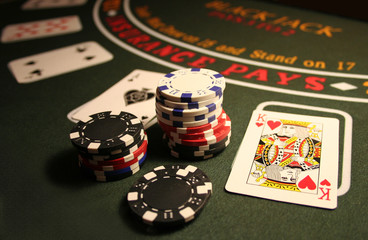
At the heart of gambling behavior is the concept of reinforcement, where the occasional win reinforces the behavior and encourages repetition. This is akin to the psychology of addiction, where the brain releases dopamine in response to rewards. Consequently, even a small win can produce a strong desire to continue gambling, often overshadowing the risks involved. This cycle can lead to an escalating need for more significant bets to achieve the same level of excitement.
Moreover, the emotional highs and lows of gambling can cloud judgment. Players may chase losses, believing that they can recover their previous losses through further betting. This trap not only leads to financial distress but can also distort one’s perception of the odds. Understanding the emotional rollercoaster that accompanies gambling is essential for recognizing when one might be trapped in this cycle.
Illusions of Control and Skill
One of the most significant psychological traps in gambling is the illusion of control. Many gamblers believe that they can influence the outcome of games, especially in activities like poker or sports betting, where skill and strategy are factors. This belief often leads individuals to underestimate the role of chance, reinforcing their commitment to gambling. The result is a skewed perception that they can “beat the house,” which is rarely the case in games where the odds are firmly against them.
Additionally, gamblers often focus on their successes while neglecting the numerous losses that are part of the experience. This selective memory can create a false sense of confidence, making players feel invincible and more likely to place larger bets. The cognitive bias that reinforces these beliefs can lead to a dangerous cycle where individuals gamble more frequently and with greater amounts, believing they can control their fate.
The temptation to take risks further intensifies when players are amidst winning streaks. Gamblers might think they possess a ‘lucky streak,’ which can lead to overconfidence and increased betting. By failing to recognize the randomness of outcomes, players often find themselves trapped in a cycle of greater risk-taking, further perpetuating the illusion of control.
The Role of Loss Aversion
Loss aversion is a psychological principle where individuals feel the pain of losses more intensely than the pleasure of gains. This fundamental concept is particularly relevant in gambling, where players often find themselves reluctant to walk away after a series of losses. The desire to recover lost money can create a compulsion to keep betting, leading to what is known as the “gambler’s fallacy.” This trap involves the belief that past losses predict future outcomes, encouraging players to gamble more in hopes of turning their luck around.
This cognitive bias can lead to reckless decision-making, where individuals continue to place bets despite accumulating significant losses. The emotional investment in trying to regain lost funds can overshadow rational decision-making, causing players to disregard sound financial strategies. This can lead to detrimental consequences, including mounting debts and damaged relationships.
Recognizing loss aversion is crucial for responsible gambling. Players must understand that walking away after a loss can be one of the most rational decisions. By acknowledging the emotional weight of losses, individuals can develop healthier coping mechanisms and strategies for managing their gambling habits, thus reducing the likelihood of falling into the traps of loss aversion.
The Impact of Social Influences
Social dynamics play a significant role in gambling behavior, often exacerbating the psychological traps that individuals face. Peer pressure, social norms, and the desire for acceptance can lead individuals to engage in gambling activities that they might otherwise avoid. Many gamblers feel compelled to participate in betting activities, particularly in social settings, where the fear of missing out or being judged can significantly influence their decisions.
Moreover, the presence of social reinforcement, where peers celebrate wins, can amplify the allure of gambling. Gamblers may find themselves in an environment where losing is downplayed or normalized, further blurring the lines between healthy and unhealthy gambling. This social validation can perpetuate harmful gambling behaviors, making it challenging for individuals to acknowledge their issues.
In recognizing the impact of social influences, it becomes essential for individuals to cultivate awareness and set personal boundaries. Engaging in open conversations about gambling can help mitigate these influences and provide a platform for discussing responsible behaviors. By understanding the role of social dynamics in gambling, individuals can better navigate their experiences and make informed decisions.

MrWildz Casino: A Secure Gaming Environment
MrWildz Casino stands out as a responsible and reliable platform for online gaming. Launched in 2022, it offers a safe, fully licensed environment for players looking to enjoy a wide variety of games without falling prey to the psychological traps often associated with gambling. With a diverse selection of over 4,000 games from leading developers, MrWildz ensures that players have ample options to engage with, enhancing their overall gaming experience.
The platform recognizes the importance of responsible gaming and provides resources and support for players to manage their gambling behavior effectively. With 24/7 customer support, individuals can seek assistance and guidance whenever they need it, promoting a healthier gaming culture. Additionally, new players are welcomed with generous bonuses, allowing them to explore the platform without the immediate pressure of financial investment.
In conclusion, understanding the psychological traps of gambling behavior is essential for fostering responsible habits. Platforms like MrWildz Casino not only provide a secure gaming experience but also promote awareness of the potential risks involved in gambling. By embracing a mindful approach to gambling, players can enjoy the thrill of gaming while minimizing the risks associated with psychological traps.
